I really don’t know how these things happen but I seem to have tripped into membership in the Manchester Chamber of Commerce. I went to an event hosted by a group I do a little volunteer work for and before I knew it, I had a chamber membership number AND a password! Amazing what you can get for free…
Because of this new, free membership I found myself having lunch with other chamber members at the Art Institute of New Hampshire. The walls were hung with the graduating seniors’ works – paintings and photographs with a few pieces of sculpture mixed in. Why I can’t ever have the presence of mind to take photos with my phone, I’ll never understand.
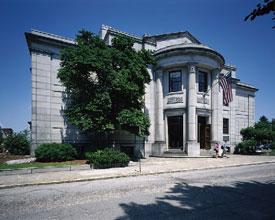
Anyway, before the meeting I enjoyed looking at the students’ work. Afterward I had the opportunity to speak with some of them. They were a breath of fresh air, these students. Had I seen them on the street, I might have mistaken them for regular college students. But, they aren’t. These are kids who have chosen to learn old ways, they are being trained the way artists have been trained for centuries. Pigment, paper, silence and sweat. Their pieces were technically excellent, regardless of medium, but they all also contained something else – calmness. They weren’t raucous, slap-dash pieces full of angry color and motion. They were intentional, thoughtful, calm and beautiful.

One of the school’s administrators spoke of his students as having “uncommon sense”. He said common sense didn’t create the Sistine Chapel or the Mona Lisa – that took uncommon sense. These students certainly have plenty of that. Their training is teaching them how to look at the uncommon, how to listen to the barely perceptible, how to explore who they are and paint it. Alleluia for fine arts students!



 An Extraordinary Ordinary Life
Leave a reply to Douglas Sturgill Cancel reply